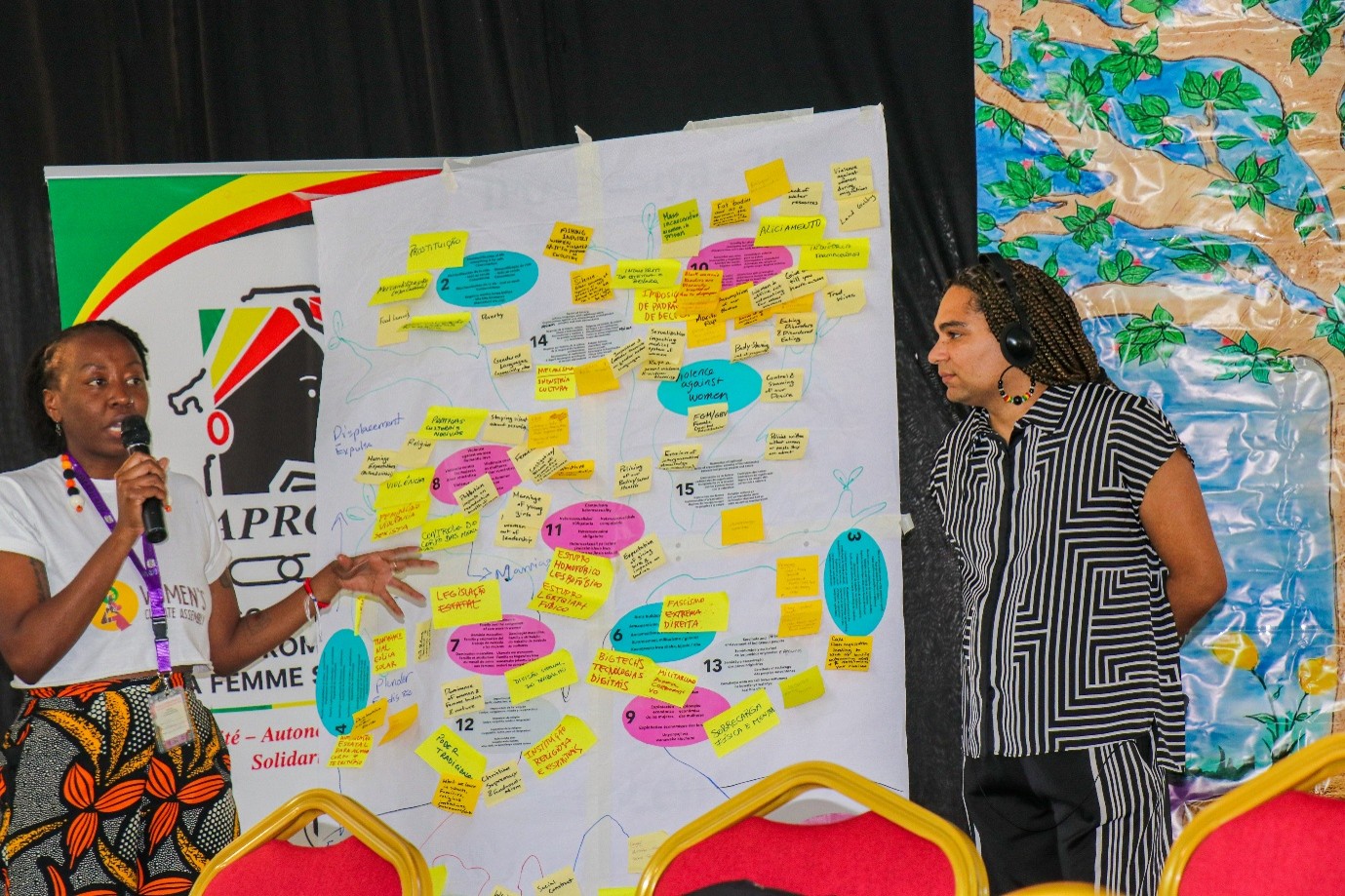
Across social justice movements, both in the Present and in the Past, education has been a central piece binding theory and praxis. It is from this understanding that, from the 17th to the 18th of September, the Afro-International Feminist Organising School (AFRO-IFOS), a movement building space that uses popular education to strengthen our collective knowledge, share our experiences, and grow our international movement, hosted a School of Facilitators in Nairobi, Kenya, to support the deepening of a Decolonial Feminist Popular Education praxis across the more than 30 countries and territories represented, from Africa and the Americas.
There is power in naming the inequalities and wounds we carry as peoples who have been dispossessed of land, livelihoods, cultures and Knowledge. However, our greatest challenge is creating spaces that encourage us to dream of a world beyond the limits of colonial imagination.
Popular education has been a powerful practice for creating such spaces. Rooted in the knowledge and lived experiences of the people, it invites us to learn not only from books and institutions, but from one another.
Education is a political commitment
In the 1971 BBC film “Behind the lines”, Maria, a Mozambican guerrilla fighter explains that education was at the heart of why she decided to join the liberation struggle. In her experience “If a girl reached a certain class [The colonialists] said that is enough for us, Africans.”
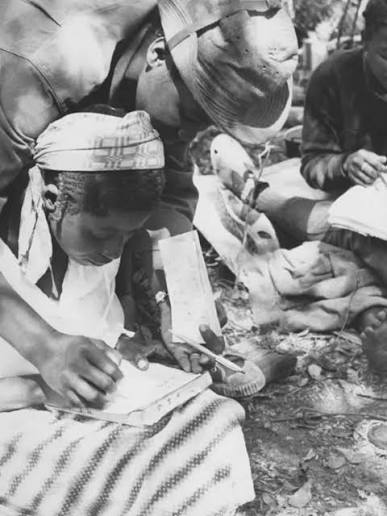
Our feminist herstories across Africa and beyond have been deeply shaped by anti-colonial struggles. It was within the liberation movements that many women and men encountered education as a practice of freedom, in learning to question colonial power, reclaiming their histories and wisdom, fighting to protect their sovereignty and imagining forms of collective life beyond the impositions of heteropatriarchal, capitalist, colonial systems.
As feminist ancestor Nawal El Saadawi reminds us “good education means creating dissatisfaction and disobedience.” Her wordsspeak to the transformative power of education to nurture the critical consciousness needed to both understand the conditions that constrain us and to connect them to our personal experiences, which is fundamental to organise collectively towards liberation.
But liberation cannot be achieved by a few, full liberation requires all of us. Our political project must be sustained by an intentional educational project that deepens our proposals and equips us to build the worlds we envision.
The educator is a pollinator
Through processes of learning, unlearning, relearning and imagining together, we become both teachers and students in our movements. This is one of the many ways in which decolonial feminist popular education inspires us to cultivate relational ways of working together that are grounded in mutual learning, listening, solidarity and care.
Instead of positioning the educator as the one who holds all the answers, popular educators create spaces where all can collectively formulate the questions that emerge from our struggles and where all can develop the knowledge needed to respond.
“Vou aprender a ler / Para ensinar minhas camaradas / I will learn how to read / To teach my comrades”
Brazilian struggle song
The same way bees are essential for healthy environments, popular educators are an important part of feminist movements infrastructure. Popular educators nurture the power that already exists within movements.
Like the flower, each individual carries something that can nourish the collective. Learning is never only for ourselves. What we learn becomes a good we carry around our movements, to share, to exchange, to teach and to transform. Knowledge moves between us, allowing new ideas, possibilities and material actions to be activated. It is through this circulation of knowledge that we can produce the sweet taste of hope needed to build different futures.
Organising and liberating as we educate
“The beast is too big, and we need a political project that inspires us to build something every day and not just to fight and destroy the world as we know it.” – Sandra, Guatemala
A decolonial feminist popular education praxis can build bridges across our different struggles, experiences, beliefs and movements, creating the conditions to move beyond simply resisting what exists and towards collectively building what could be.
Our intention should be to create learning spaces that allow for a production of living where people can show up fully: mind, body and spirit. The spaces we design, the methodologies we use and the chants we bring become part of the political project itself: practices that not only inspire learning but also embody the world we are working towards.
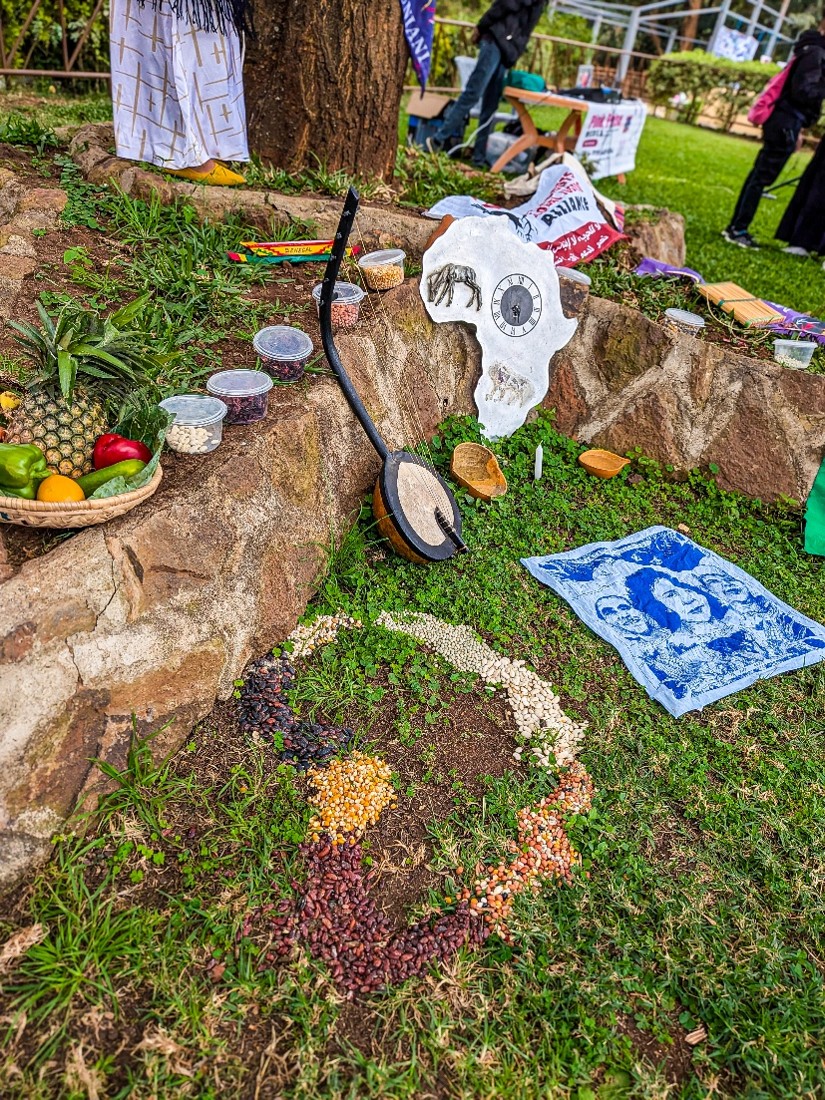
When we bring our seeds into our movement spaces, when we use trees as classrooms, when we reference our feminist ancestors, when our meals reflect the seasons, when we use our traditional attires and play our traditional instruments, we are already practicing another way of being in the world.
Our work as African ecofeminists have long challenged the separation between the struggles for womxn’s rights, climate justice and African sovereignty. Our practices remind us that ecological knowledge is not separate from feminist knowledge, and it is part of the living archive from which African women and communities have sustained themselves, challenged extractivism and imagined different futures. In reclaiming these ways of knowing, relating and living, we are remembering what has sustained us, while cultivating the worlds we want to leave for generations to come.

