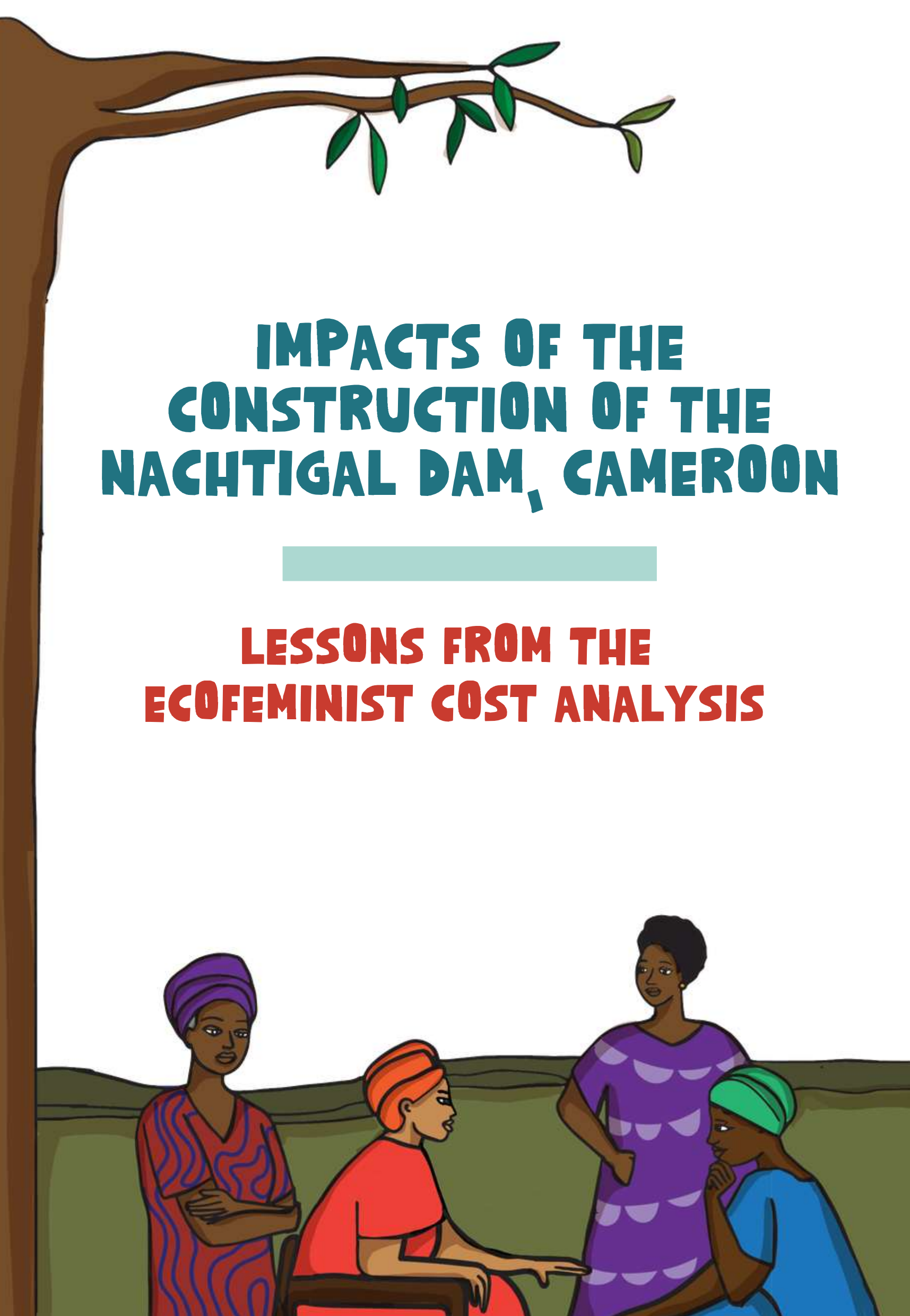
Launch | Impacts of the Construction of the Nachtigal Dam in Cameroon - Lessons from the Ecofeminist Cost Analysis

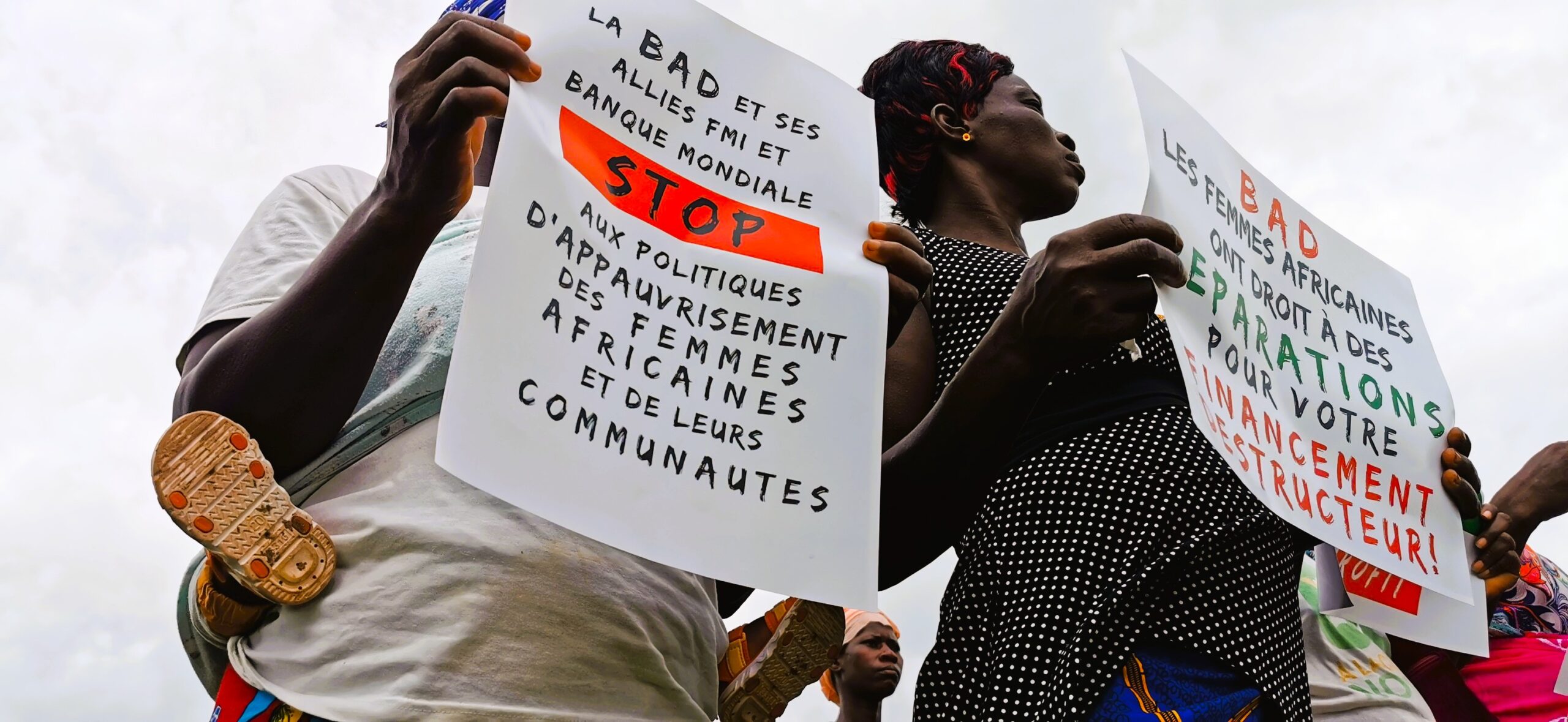
(Field visit to Singrobo community, AfDB People’s Counter Space Held in Cote d’Ivoire from 21-23 May 2025. Photo: WoMin.)

Across Africa, mega hydropower dams rise where forests once breathed, kidnapping rivers and drying up life, the plundering of old and new critical minerals expands into communities’ fields, and pipelines redraw the contours of ecosystems and communities’ lives. These are not isolated projects but the landscape of a global economic order that treats land, water, and the labour of working class, peasant women as endlessly extractable – commodities in the name of “development.” Corporations, backed politically and financially by governments and multilateral development banks, pledge jobs, money, scholarships and more yet what arrives is little more than broken promises and broken ecosystems.

The Nachtigal Hydroelectric Dam in Cameroon is one of these sites of extraction. What follows is what women in six communities shared about the transformations the dam has imposed on their households, labour and livelihoods, expenses, health, and ecosystems, and about the debts now owed to them.

Download this resource now:
Author(s):

Share article:

Featured News & Blogs

Join our mailing list

Stay connected with WoMin! Join our mailing list and subscribe to our monthly newsletter, Women Weaving a Just World, to receive updates on our latest research, resources, and actions. Sign up today.

Mailing List

Burkina Faso

Summary

7

partners

2

strategic alliances

2

active programmes

Programmes Running

Debt & Reparations
Consent & The Right To Say NO
Partner(s) in Burkina Faso
Formed in 2001, ORCADE supports mining affected communities in Burkina Faso through rights-based advocacy and capacity building.
Privacy Overview

This website uses cookies so that we can provide you with the best user experience possible. Cookie information is stored in your browser and performs functions such as recognising you when you return to our website and helping our team to understand which sections of the website you find most interesting and useful.